Registration Information: Search Results – LibCal – Richard Salter Storrs Library
Topics for Discussions on World Politics
Sept. 3
The Trump Transformation
President Trump has changed many of the foreign policies of the United States, consistent with his desire to emphasize US national interests. This change is not one of kind since all states place a high priority on concrete interests. But the change away from trying to accommodate global interests has led to a sharp decline in American commitments to international actions and cooperation. What are the long-term consequences of this change in emphasis?
Overview
Donald Trump’s foreign policy centers on an “America First” approach, emphasizing tariffs, reduced multilateral commitments, assertive military actions, and recalibrated alliances, as seen in his Iran diplomacy, tariff regimes, NATO pressure, and interventions such as the Caracas raid.
Core Principles
America First Doctrine: Prioritizes U.S. sovereignty, economic security, and reduced foreign intervention.
- Skepticism of Multilateralism: Hostility toward the EU, WTO, and multilateral treaties; preference for bilateral deals.
- Economic Nationalism: Heavy use of tariffs to reshape global trade and pressure partners.
Key Areas of Action
1. Middle East & Iran
- Trump’s meetings with Netanyahu focused on Iran’s nuclear program and regional influence.
- Asserted Iran was taking negotiations more seriously amid heightened tensions.
- Proposed a 20% fee on cargo through the Strait of Hormuz, revealing impulsive decision-making and rapid policy reversals.
2. Trade Policy
- Imposed sweeping tariffs (10–12.5%) on imports from 60 partners under Section 301, replacing earlier reciprocal tariffs struck down by the Supreme Court. India received a lower 10% rate after policy changes.
- Tariffs strained relations with allies and triggered retaliatory measures from China, the EU, and Canada.
3. Alliances & Global Institutions
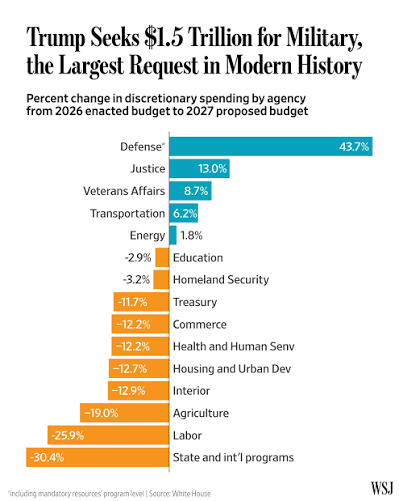
- Criticized NATO as “obsolete,” demanding increased defense spending from allies.
- Threatened withdrawal from agreements like NAFTA and the Trans-Pacific Partnership.
4. Military Interventions & Security Strategy
- Despite isolationist rhetoric, Trump engaged in assertive military actions, including the Caracas raid removing Nicolás Maduro.
- Mixed signals on intervention: withdrew troops from Syria and Afghanistan but also authorized strikes and escalated pressure on adversaries.
5. Ukraine & Russia
- Meetings with Zelensky highlighted tensions over U.S. support and internal chaos in diplomatic engagements. Foreign policy under Trump 2.0 remained highly active despite expectations of isolationism.
Strategic Vision
Trump’s National Security Strategy (2025) rejects post–Cold War global hegemony, emphasizing realism, sovereignty, and hemispheric dominance while focusing on China containment.
Trump’s foreign policy consistently blends nationalism, unpredictability, and unilateralism, reshaping U.S. global engagement across trade, security, and diplomacy.
Washington’s Farewell Address, September 19, 1796
Marc Trachtenberg, “The Rules-Based International Order: A Historical Analysis,” International Security, Vol. 50, No. 2 (Fall 2025) This is a scholarly article–best to just skim it and ignore the jargon.
For further reading:
Sept. 17
Changes in Military Power
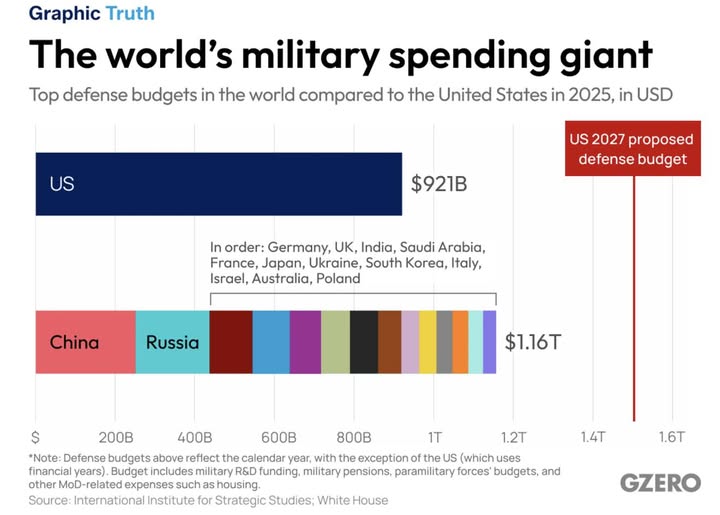
The wars in Ukraine and In the Middle East have demonstrated new military technologies such as drones which have changed power dynamics to favor weaker states. Their effectiveness calls into question the effectiveness of large, massed armies and navies. Do the new military technologies undermine great powers in their interactions with poorer and weaker adversaries? How might these new technologies change the nature of world politics?
Thomas Friedman, “The New Physics of Power,” New York Times, 19 August 2026
Additional Readings:
Oct. 1
Global Civic Culture
The recent rise of nationalist parties in the world raises questions about how citizens of the world regard each other. Intense nationalism, emphasizing blood and soil, excludes many people and has roiled the arenas of immigration, culture, and citizenship. The most insidious form of this attitude is antisemitism, which has once again become more prominent in political discourse. Intense nationalism is also an underlying cause of many wars, most notably World War I. Are we headed in the same direction today?
The rise of antisemitism has reached alarming levels, with a documented increase of 107.7% in antisemitic incidents globally in 2024, driven by a mix of ideological extremism and geopolitical tensions.
Recent Statistics and Trends
In 2024, the Antisemitism Research Center reported 6,326 incidents of antisemitism, marking a staggering increase from previous years. This surge is attributed to a combination of far-left, far-right, and Islamist extremism, with 68.4% of incidents linked to far-left ideology. This represents a significant shift from 2023, where incidents from both far-left and far-right sources were roughly equal. The far-right incidents dropped by 54.8%, indicating a change in the landscape of antisemitic activity
Geopolitical Context
The rise in antisemitism is closely tied to the ongoing Israeli-Palestinian conflict, particularly following the events of October 7, 2023. The conflict has intensified existing tensions, leading to increased hostility towards Jewish communities worldwide. Reports of vandalism, threats, and violence against Jewish institutions have surged, particularly in countries like Australia, where incidents have included graffiti and arson targeting synagogues and Jewish schools
Historical and Ideological Factors
Antisemitism has deep historical roots, evolving from religious persecution to modern political scapegoating. The current rise is fueled by a mix of conspiracy theories, social media disinformation, and radicalized movements that exploit the Israeli-Palestinian conflict to justify antisemitic sentiments. The perception of Jews as responsible for various societal issues has been perpetuated by extremist ideologies, leading to a resurgence of hate onlineopinion.com.au.
Conclusion
The alarming rise of antisemitism in recent years underscores the urgent need for global awareness and action. As antisemitic incidents continue to escalate, it is crucial for communities, governments, and organizations to address the underlying causes and work towards fostering understanding and tolerance. Without decisive action, the world risks entering a new era where antisemitism is not only tolerated but institutionalized, threatening the safety and stability of Jewish life globally.
Council on Foreign Relations, “The U.S. Immigration Debate,” 7 August 2024
Jennifer Rubin, “MAGA’s Anti-democratic Assault Threatens American Jews,” Substack, 19 August 2026
Additional Readings:
GeoPol.UK, “Nationalism: “The political ideology centered on the nation,” 2026
Wikipedia, “The Origins of Totalitarianism,” 16 July 2026
Council on Foreign Relations, “The U.S. Immigration Debate,” August 7, 2024
US Holocaust Memorial Museum, “Voyage of the St. Louis“, n.d.
Oct. 15
The Question of Taiwan
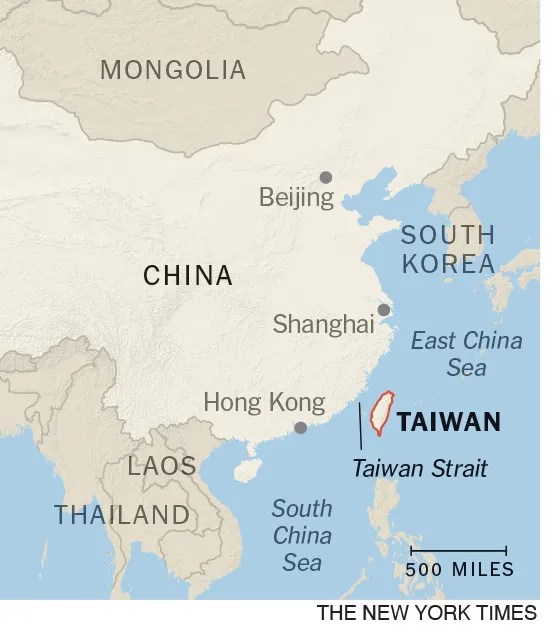
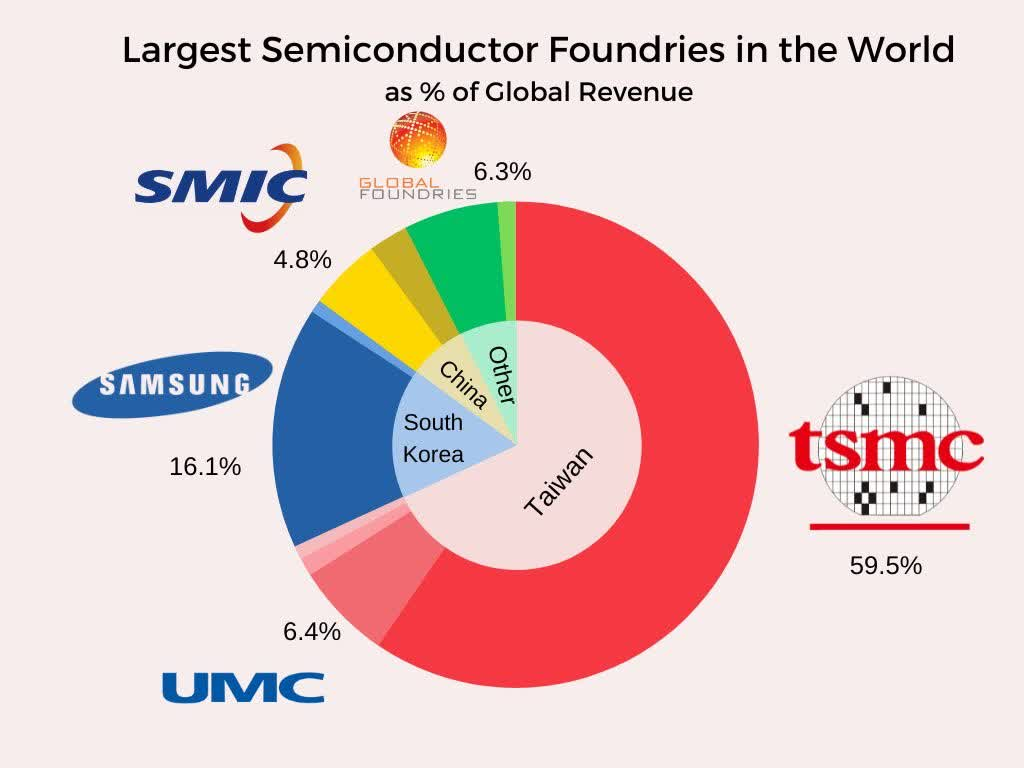
In the Shanghai Communique of 1972, the US agreed that Taiwan is part of China but nonetheless insisted that the eventual integration of Taiwan into the People’s Republic of China should not be a violent transition. Since that time, the US and China have been unable to agree on a strategy to implement that decision, and Chinese President Xi has announced that he wants the question resolved by 2027. Can the dispute over the status of Taiwan be settled peacefully or is a violent conflict on the question inevitable?
Associated Press, “What to know about Xi’s warning to Trump over the ‘Taiwan Question’”,
Additional Reading:
CNBC, “Xi warns Trump: Mishandling Taiwan will put U.S.-China relationship in ‘great jeopardy’”, 13 May, 2026
Nov. 5
Artificial Intelligence and the Global Economy
The swift rise of Artificial intelligence (AI) may prove to be as transformative as the Industrial revolution. As was the case with the Industrial Revolution there will be winners and losers in the transformation. The big fear of AI is that it will lead to a diminished power for labor and enhanced power to the owners of capital. Can the burgeoning economic inequality that accompanies AI be managed effectively so that the benefits of Ai can be enjoyed by all. Or will those benefits be concentrated among a small minority of rich people?

“REMOVING BARRIERS TO AMERICAN LEADERSHIP IN ARTIFICIAL INTELLIGENCE”, 23 January 2025
Additional Readings:
The Atlantic Council, “Eight ways AI will shape geopolitics in 2026”, 15 January 2026
International Monetary Fund, “The Global Impact of AI: Mind the Gap”, 11 April 2025
Nov. 19
Climate Change and International Cooperation
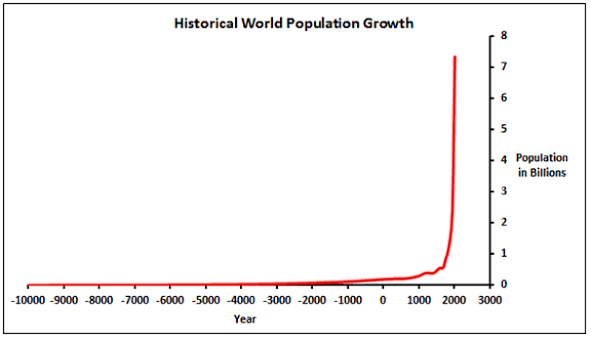
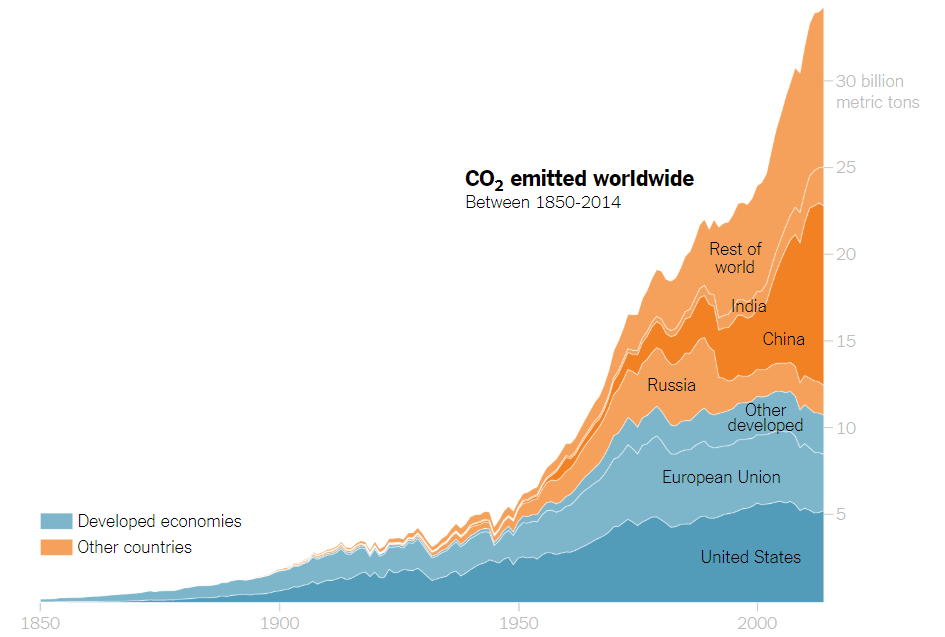
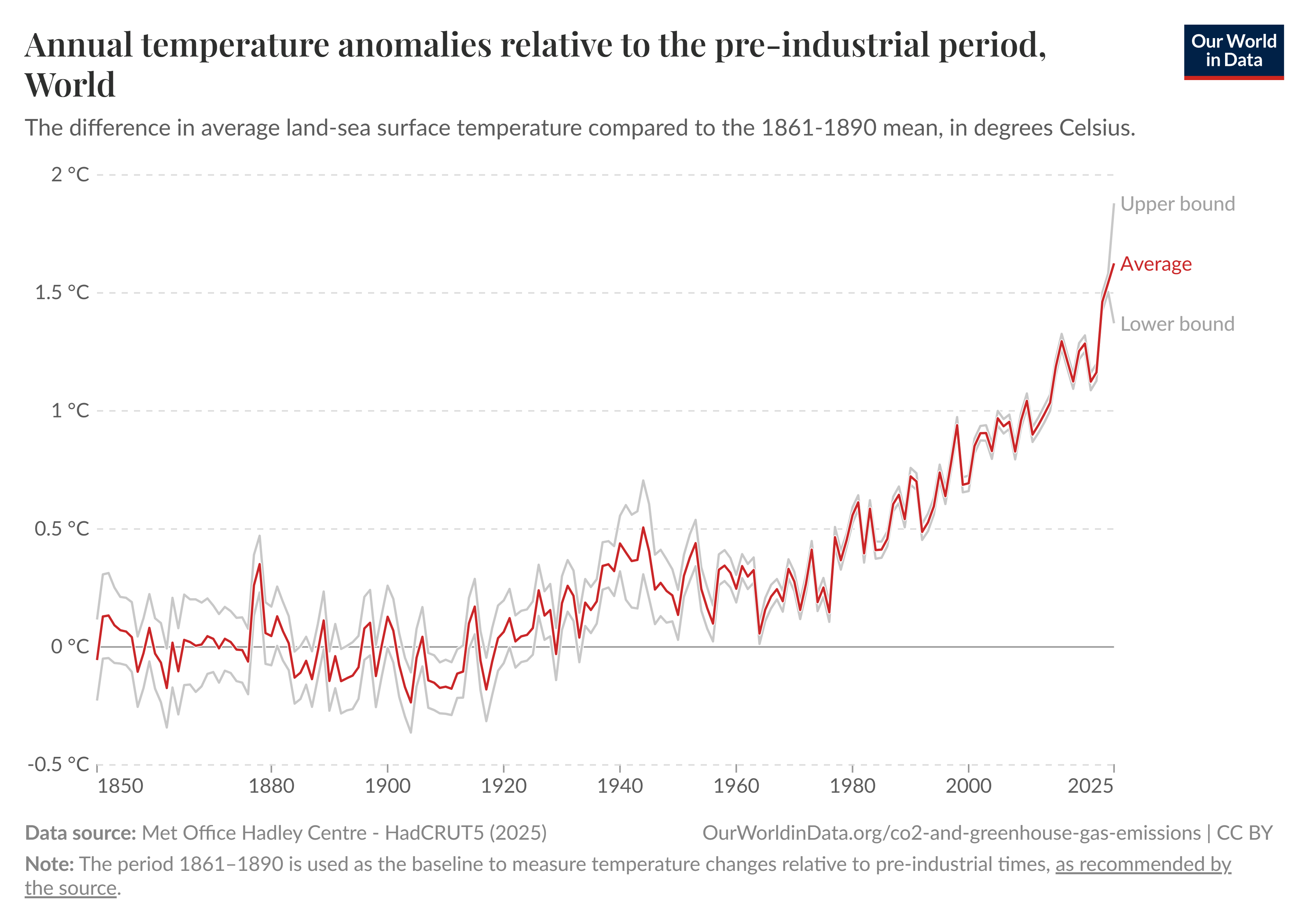
Climate change is unquestionably happening although its effects are not yet universal or as systemic as some fear. Nonetheless, some local effects, such as wildfires, flooding, and heat waves have impacted the lives of millions already. Climate change threatens to upend traditional notions of sovereignty since the more global manifestations of climate change, such as sea level increases and water shortages are becoming more pronounced and are issues that can only be settled by international cooperation. But progress at that level has been sporadic and ineffective. Can the world learn how to manage the process of climate change by cooperating in ways that threaten traditional notions of sovereignty?
Additional Readings:


Leave a comment