As we move nearer to the UN-sponsored climate change talks in Paris, we still have yet to figure out one of the most difficult issues concerning the curbing of greenhouse gases. Poorer countries such as China and India believe that there should be too schedules for the curbs: one for the already-rich countries who can more readily afford those curbs; and another for poorer countries who should be allowed a longer period of time to curb those emissions so that economic growth can continue in a manner that does not perpetuate the rich/poor divide. India, likely to have 1.5 billion people by mid-century, demonstrates that conundrum perfectly. Alternatives to fossil fuels cannot sustain economic growth as efficiently as fossil fuels do right now. Cutting back on the burning of hydrocarbons will likely slow economic growth, at least in the short run.
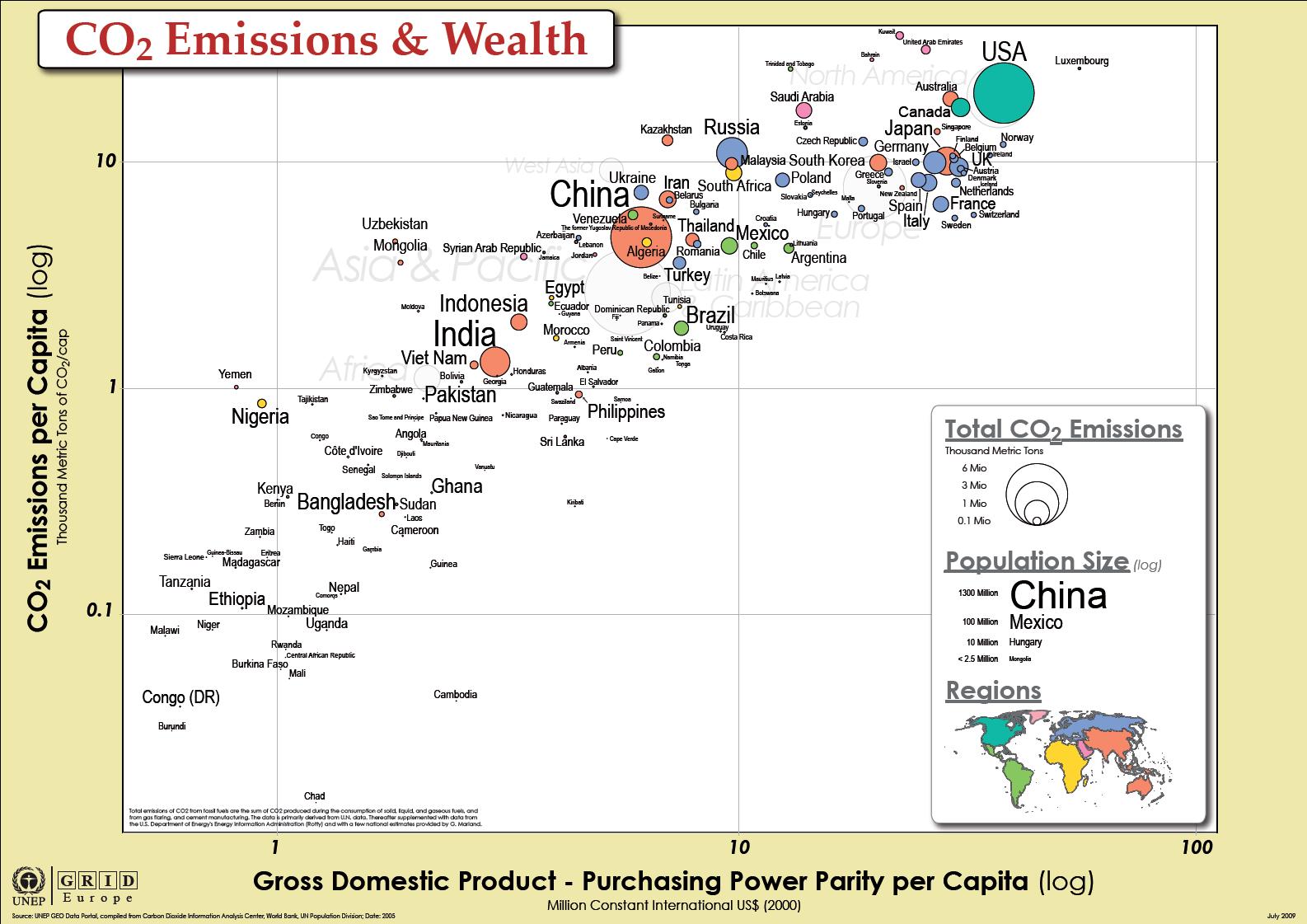
The Pew Research Center has done polling on global attitudes toward climate change and has come up with some interesting findings. Pew interviewed people in 40 countries and found that a global median of 54% consider climate change to be a very serious problem. But there were some interesting variations among countries, most notably among those who believe that climate change is harming the world right now.

Relations between the European Union and Israel took a turn for the worse as the EU announced that goods exported from Israeli controlled West Bank, Golan Heights, and East Jerusalem settlements will no longer be simply labeled as “Made in Israel.” Instead, the goods will be identified as being made in the Occupied Territories. Israel believes that the labeling amounts to a boycott; the EU believes that the labeling will simply allow EU consumers to decide whether they wish to purchase goods (primarily fruits and vegetables) from the Occupied Territories.


Leave a comment