The Copernicus Climate Change Service, the climate change organization connected to the European Union, released data today that indicated that “…Sunday 21 July was the hottest day since at least 1940, by a small margin of 0.01ºC. While it is almost indistinguishable from the previous record, what really stands out is the difference between the temperatures since July 2023 and all previous years.”
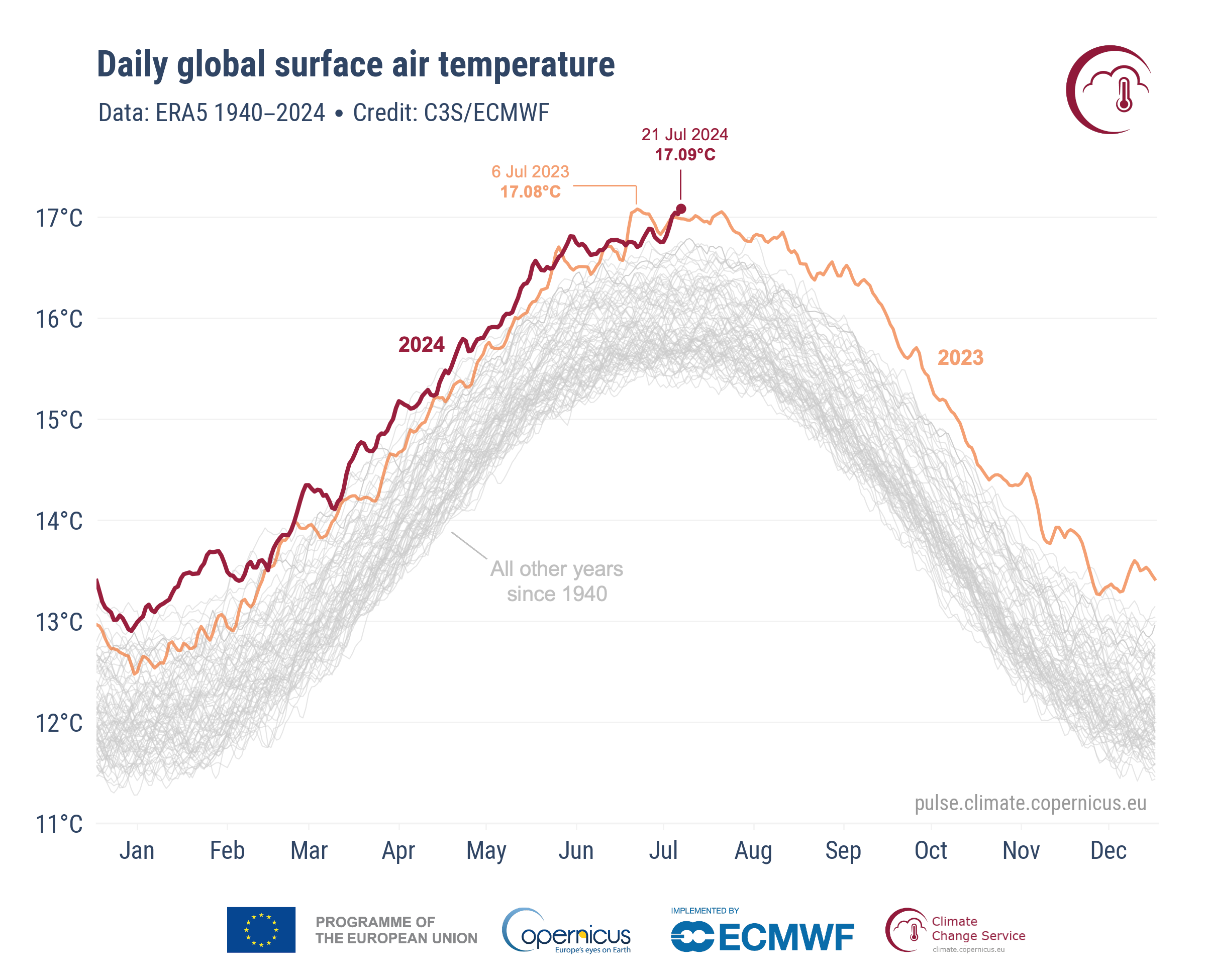
The Guardian outlines the significance of this finding:
“Prof Peter Thorne, director of the Icarus centre at Maynooth University, Ireland, and a coauthor of an IPCC report that found humanity was responsible for all of the observed rise in temperatures since the 1850s, said Sunday’s record might one day be seen as ‘anomalously cool’ if the world did not rapidly reach net zero emissions.
“’Just a quick glance at the range of events happening around the globe right now – wildfires, flooding, heatwaves – tells us that we are not remotely prepared for the extremes that this warmer world has bought us,’ he said. ‘We are even less prepared for what is to come.’”
There has been substantial progress in developing sources of energy that do not rely on fossil fuels, but the world has not yet made significant progress in reducing the emissions of greenhouse gases.
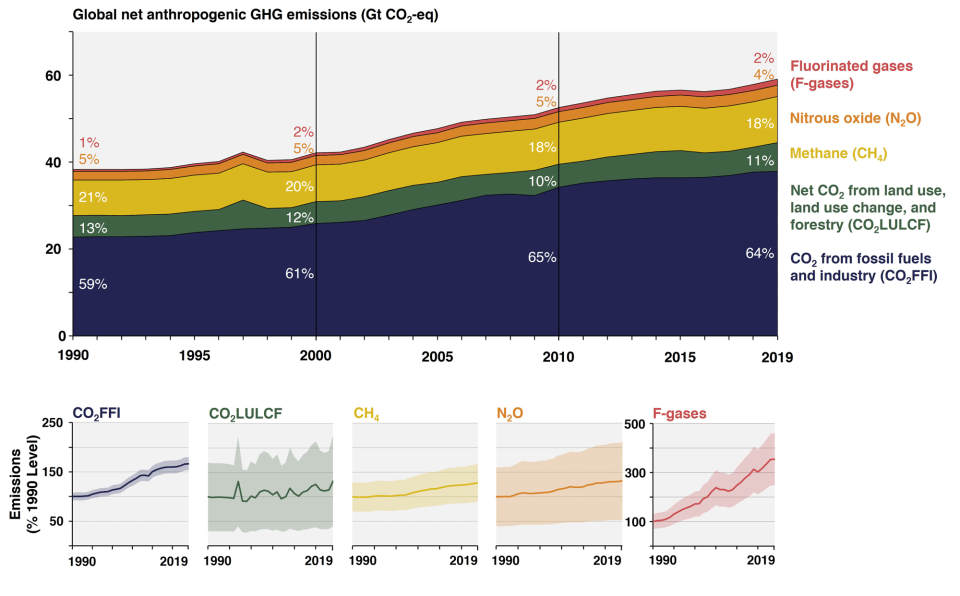
There must be a more concerted effort to change these trends. Political will remains a rhetorical device. Citizens must begin to assert the need for more effective action.
 World Politics News
Leave a comment